Applied Neurosymbolic AI
We focus on AI that can be used in practice. Our architectures are designed to bring neural and symbolic techniques together so that systems can both interpret complex inputs and reason over them in a structured way.
We have a strong interest in AI, especially in using it in ways that produce reliable results that can be trusted. We have developed a novel "blackboard" architecture that combines opportunistic reasoning with robust truth maintenance and efficient use of the LLM resource. We also have a theoretical interest in quantum computing and the algorithms that it supports. This has led us to study how quantum information, finite registers and record-keeping can contribute to models of particle physics and cosmology, with exact finite results distinguished from additional physical assumptions.
Our work is grounded in the practical deployment of advanced AI, with a continuing interest in the next generation of computational methods.
We focus on AI that can be used in practice. Our architectures are designed to bring neural and symbolic techniques together so that systems can both interpret complex inputs and reason over them in a structured way.
These methods are being applied to general workflows and to the understanding of spreadsheets, where interpretation, structure, and operational intent all need to be handled together.
We also have a theoretical research interest in quantum computing, although this is not yet mature enough to apply within our applications.
We see it as part of the mid-term future rather than something ready for present-day deployment.
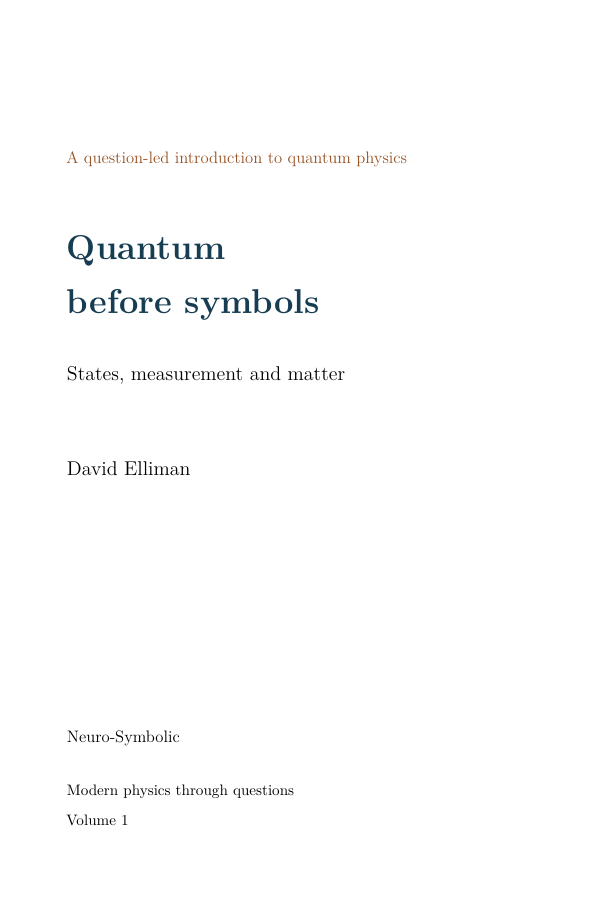
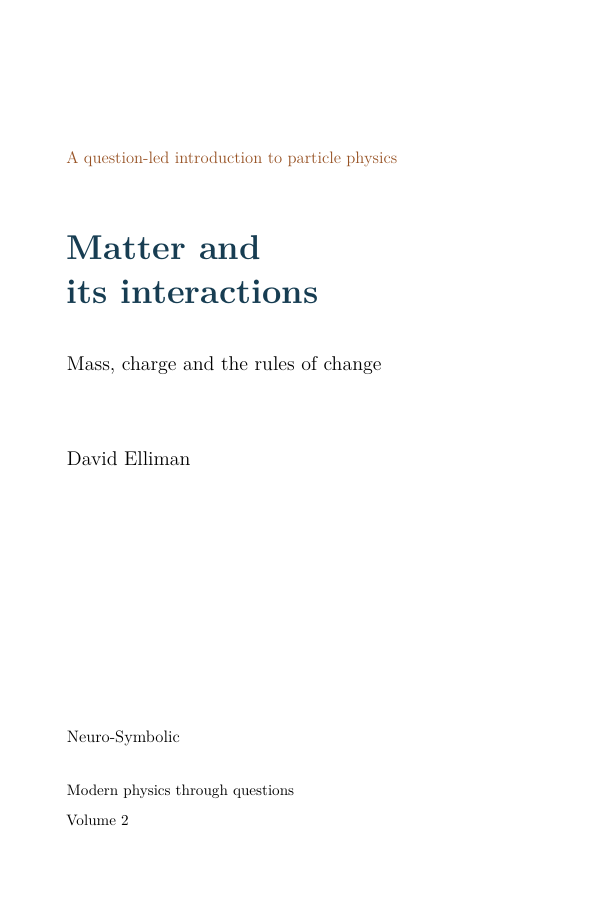
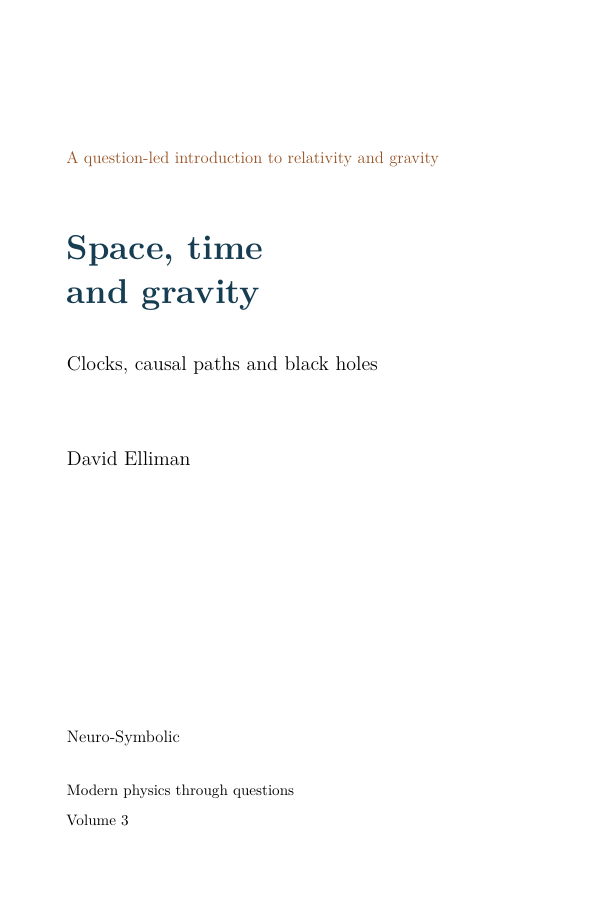
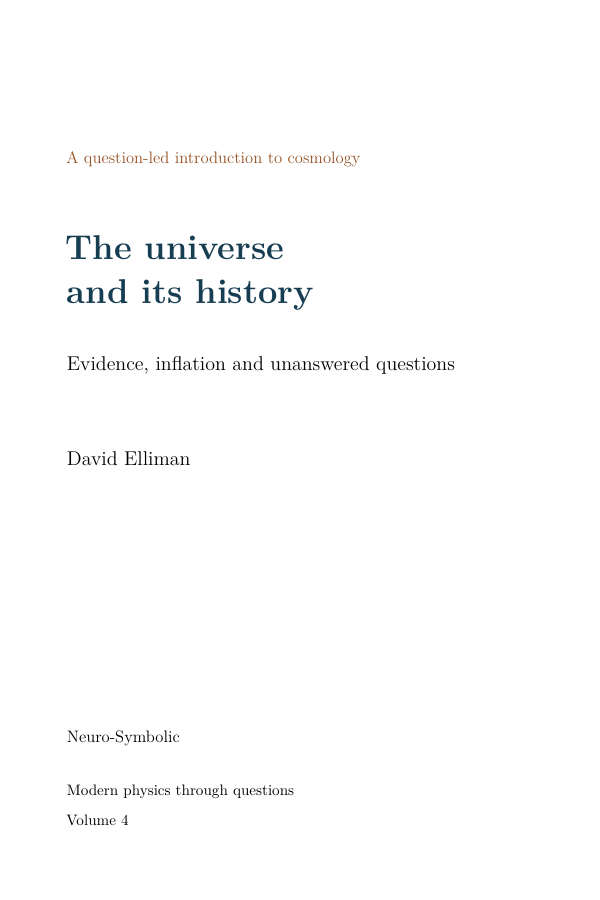
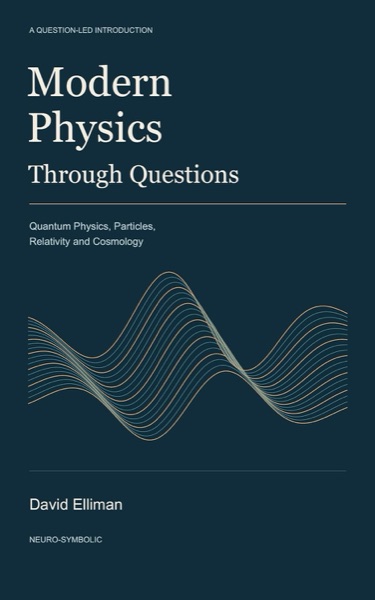
Four question-led books on modern physics, written to bridge the gap between popular science and the professional textbook.
Four short question-led books, written to bring able graduates up to speed in the gap between popular science and the professional textbook: Quantum before symbols, Matter and its interactions, Space, time and gravity and The universe and its history. Each question asks for a prediction before the explanation, no calculus is needed, and settled physics is kept apart from open proposals. Free PDFs, 35 to 65 pages each, or all four in one Kindle book for 99p to read in your e-reader or on your phone.